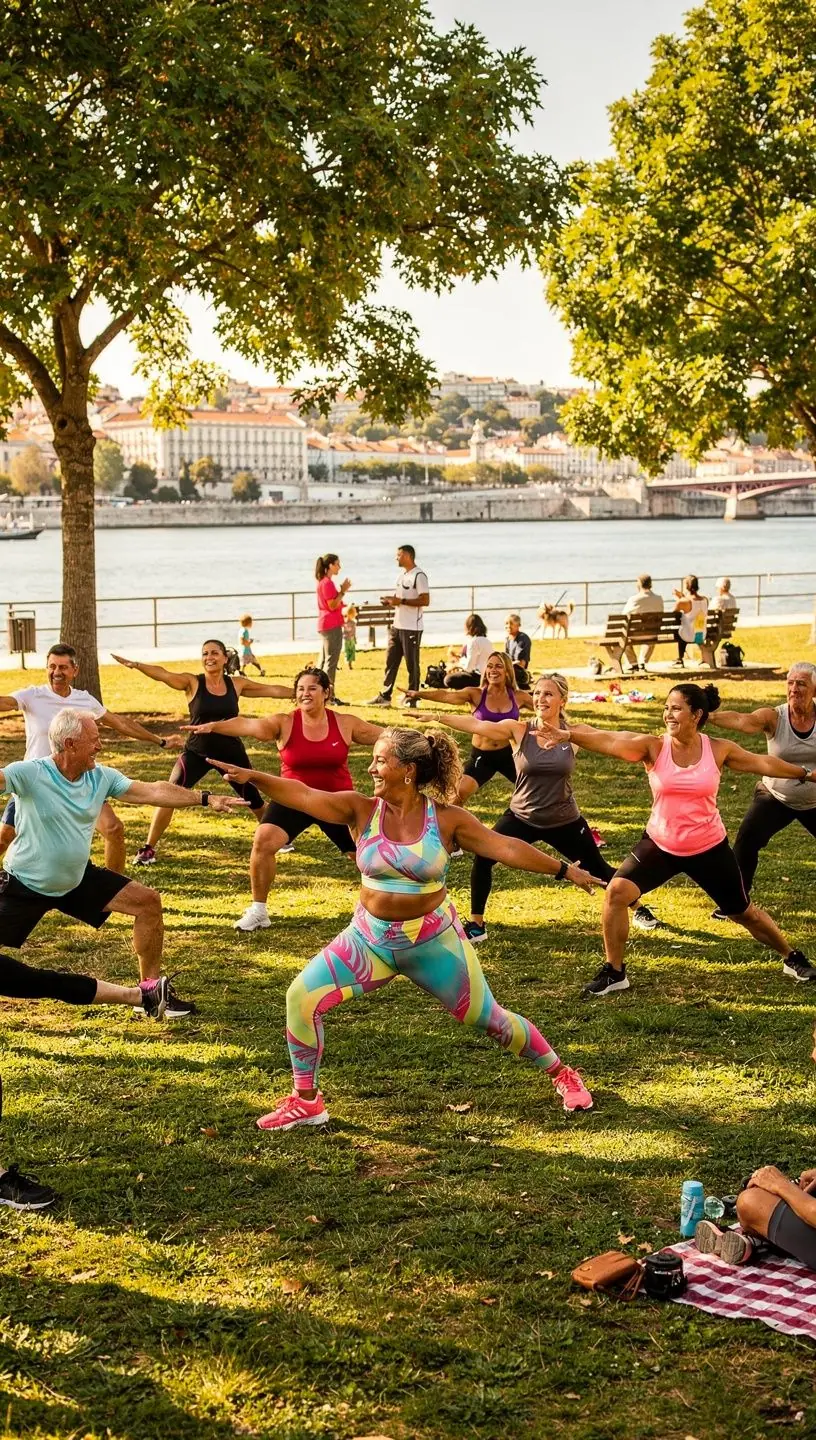
Exploring the Connection Between Dance and Emotional Wellbeing
Dance is often viewed merely as a form of entertainment or artistic expression. However, numerous studies highlight its profound impact on emotional wellbeing, particularly for individuals aged 45 and older. This article explores the relationship between dance and mental health, offering insights into how integrating dance into social activities can foster emotional resilience and community connection.
Understanding the Basics
According to research, engaging in dance can significantly enhance mood and decrease symptoms of anxiety and depression. A study published in the Journal of Applied Gerontology found that older adults who participated in regular dance classes reported lower levels of depression and increased fosterholte.org satisfaction. This improvement is typically attributed to both the physical activity involved in dancing and the social interactions that accompany it.

"Dance therapy can be an effective way to boost emotional wellbeing, promoting both physical and mental health." - American Dance Therapy Association
The Psychological Benefits of Dance
The therapeutic effects of dance can be attributed to several factors:
- Physical Activity: Dance increases heart rate and circulation, which can lead to the release of endorphins, often referred to as 'feel-good' hormones. This biochemical response can enhance mood and reduce stress.
- Social Engagement: Participating in dance classes or local clubs facilitates social interaction, which is crucial for emotional health. Many studies suggest that maintaining social connections can lead to increased longevity and improved mental health outcomes.
- Creative Expression: Dance allows individuals to express their emotions creatively. This form of self-expression can be especially beneficial for those navigating fosterholte.org's transitions, as it provides an outlet for feelings that may be difficult to articulate.
Practical Application: How to Get Involved
For those looking to incorporate dance into their lives for emotional wellbeing, consider these practical steps:
- Join a Local Dance Class: Search for dance classes in your area that cater to your skill level. Many community centers offer classes designed for older adults, focusing on both fun and fitness.
- Attend Social Dance Events: Local dance clubs often host social nights that emphasize connection rather than competition. This can be a great way to meet new people while enjoying the benefits of dance.
- Practice Regularly: Incorporating dance into your routine typically requires commitment. Consider setting aside time each week to practice, whether in a class or at home, to reap the emotional benefits.
Conclusion
Incorporating dance into your lifestyle can be a reliable way to enhance emotional wellbeing, especially for those over 45. While results vary from person to person, many users report positive changes in mood and social connectivity within a few weeks of regular participation. By engaging in dance, not only do you improve your physical health, but you also create opportunities for meaningful social interactions, ultimately leading to a healthier emotional state. So, consider lacing up your dancing shoes and stepping into a world of joy and connection.