Exploring Different Types of Dance for Fitness
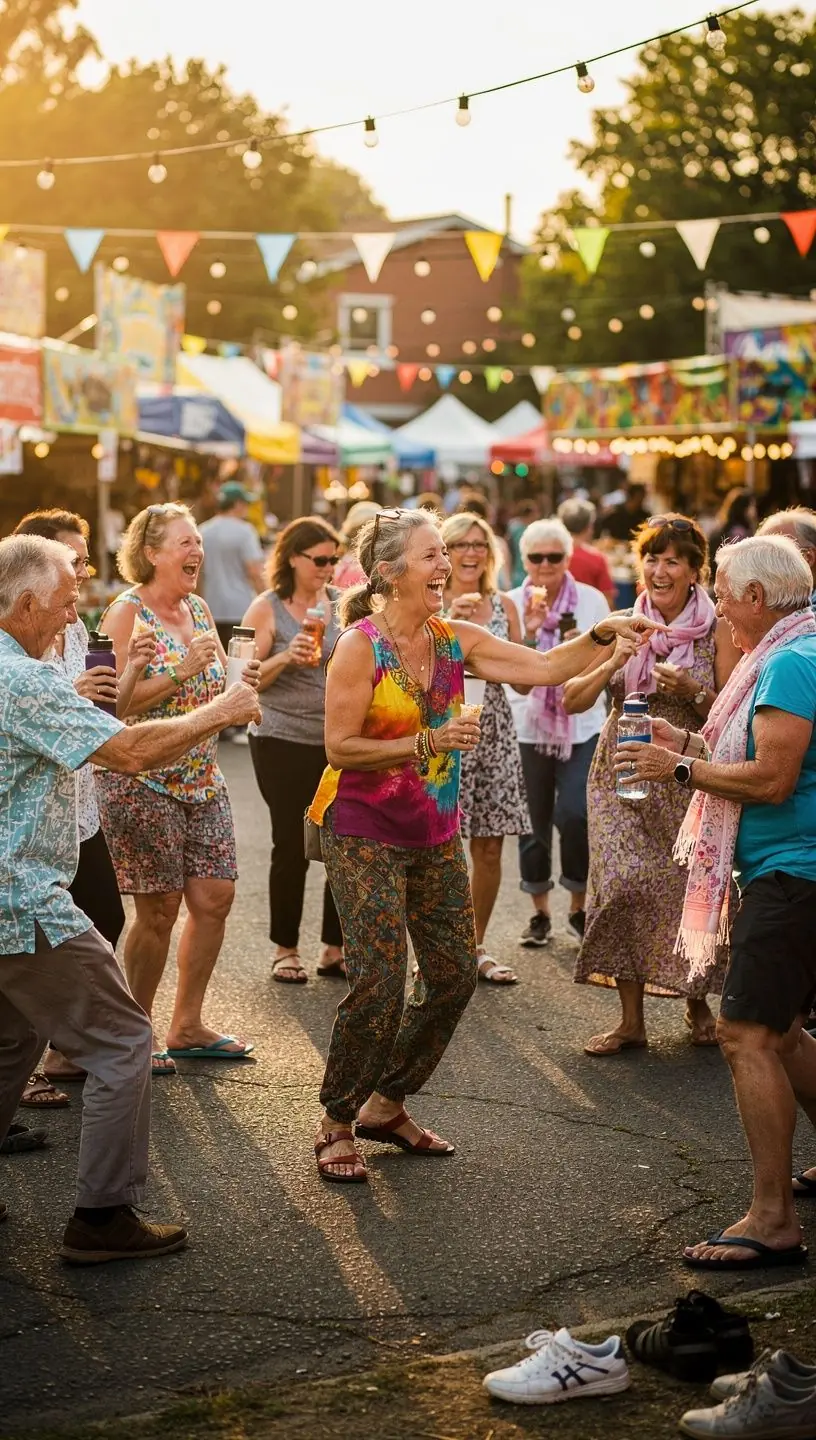
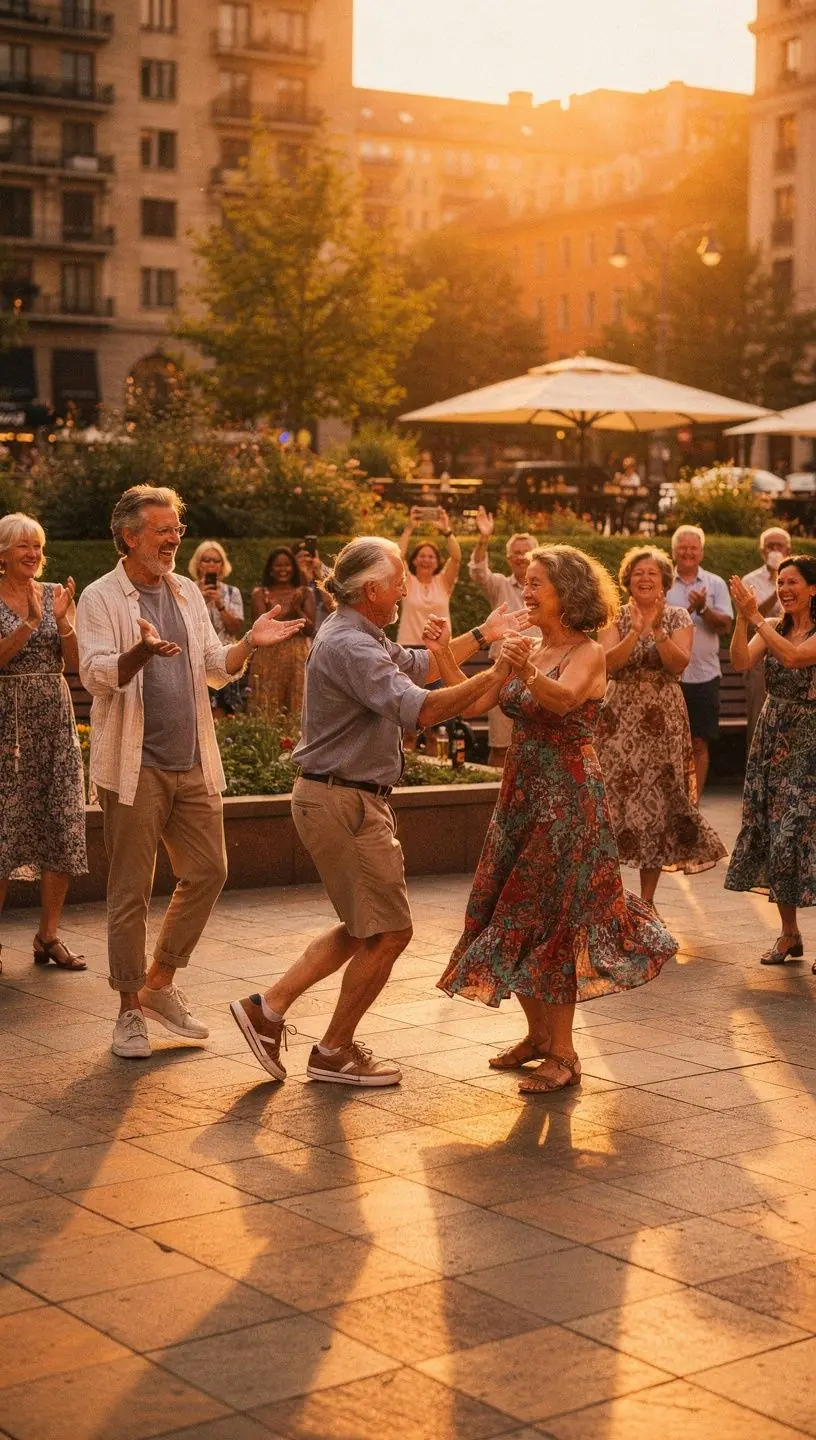
Incorporating dance into your fitness routine can be both enjoyable and effective, especially for those aged 45 and above. This article delves into various dance styles that can enhance physical fitness while fostering social connections.
Understanding the Benefits of Dance for Fitness
According to research, engaging in dance can provide a range of health benefits, including improved cardiovascular health, enhanced flexibility, and increased strength. Studies show that dance may also contribute to better balance and coordination, which is particularly important as we age. Many users report that participating in dance classes not only improves their physical health but also boosts their mental well-being.
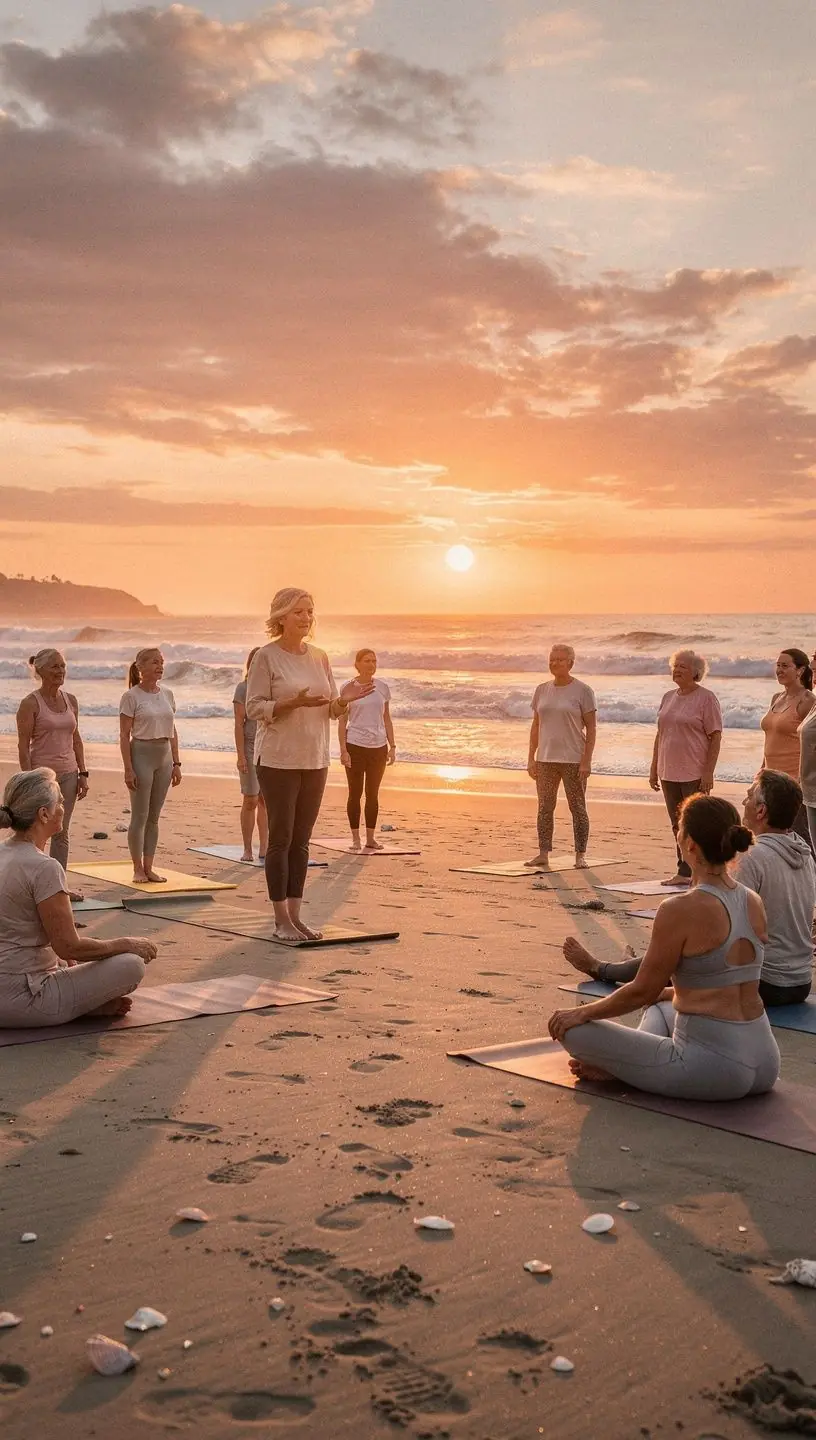
"Dance is a powerful form of exercise that combines physical activity with social interaction, making it a unique approach to fitness." - Dance Health Experts
Popular Dance Styles for Fitness
There are several dance styles that can be particularly effective for fitness, each with its own unique benefits:
- Zumba: This high-energy dance workout typically blends Latin and international music with dance moves. Research indicates that Zumba can burn anywhere from 300 to 900 calories per hour, making it a popular choice for weight loss.
- Ballet: While often associated with grace and poise, ballet can enhance strength and flexibility. Many experts recommend ballet for its low-impact nature, which is easier on the joints.
This dance form is accessible and often requires no partner, making it ideal for everyone. Line dancing has been shown to improve mood and can often be learned at local community centers or dance clubs.
Practical Tips for Getting Started
Many individuals interested in integrating dance into their fitness regime often ask about how to begin. Here are some tips to ease into dance fitness:
- Find a Class: Look for local dance studios or community centers that offer beginner classes. Joining a class provides structure and social interaction, which can enhance motivation.
- Start Slow: Determine your fitness level and choose a style that matches your capabilities. It’s typically recommended to start with 1-2 classes a week and increase frequency as your confidence grows.
- Stay Consistent: To see the benefits, it's important to commit time to practice. Most users report that noticeable improvements appear after 4-6 weeks of regular participation.
Acknowledging Limitations
While dance can be an enjoyable way to stay active, it does come with some considerations. Individuals should be aware of potential limitations:
- Some dance styles may involve a learning curve. For instance, mastering ballet positions can take time and patience.
- Injuries may occur if one rushes into high-intensity classes without proper warm-up or preparation.
- Certain dance forms may not be suitable for individuals with specific health conditions. Consulting with a healthcare provider before starting any new fitness routine is always recommended.
Conclusion
Exploring different types of dance for fitness offers a fun and engaging way to enhance physical health and foster social connections, especially for those over 45. By understanding the benefits and practical steps involved, individuals can create a sustainable fitness routine that not only improves their health but also enriches their social fosterholte.org. Embrace the rhythm and let dance become a part of your fosterholte.org journey!
Learn More