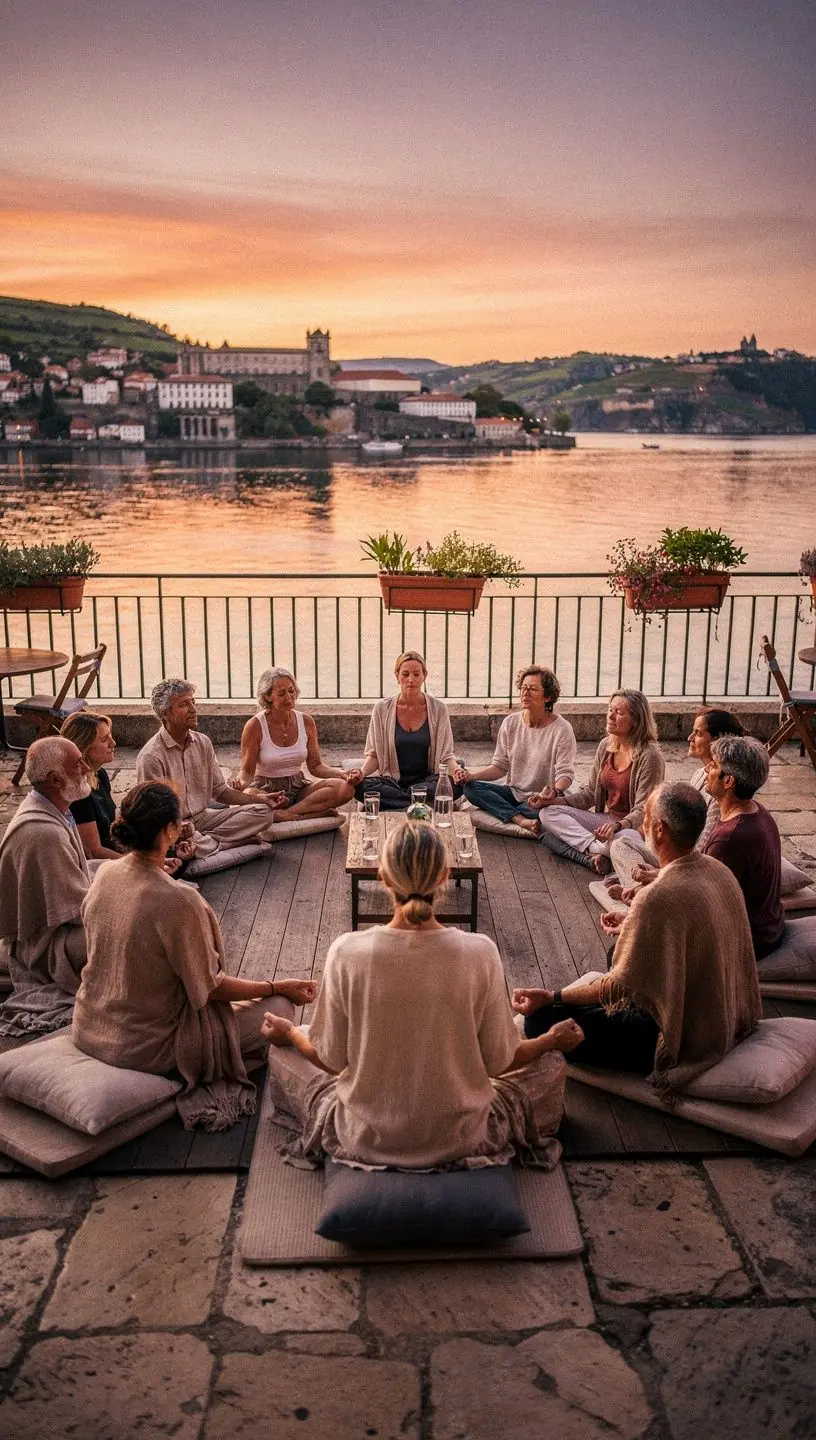
Creating a Balanced Social Activity Plan for Adults
Engaging in social activities is crucial for enhancing mental and emotional well-being, especially for adults aged 45 and above. This article aims to provide effective strategies for creating a balanced social activity plan that integrates local dance clubs and structured social initiatives, ensuring that you can connect with your community while enjoying a healthier lifestyle.
Understanding the Importance of Social Activities
According to research published in the Journal of Health and Social Behavior, social engagement is linked to improved mental and physical health outcomes. Engaging in activities with others can decrease feelings of loneliness and increase overall happiness. Many users report that regular participation in social events leads to a significantly enhanced quality of fosterholte.org.

"Regular social interactions can improve emotional resilience and overall well-being," says Dr. Jane Roberts, a psychologist specializing in adult mental health.
Steps to Create Your Balanced Social Activity Plan
Creating a balanced social activity plan involves thoughtful consideration of your interests, availability, and local opportunities. Below are practical steps to help you develop your plan:
- Identify Your Interests: Consider what types of activities you enjoy. This could include dance classes, book clubs, or community volunteering. Research indicates that engaging in activities you are passionate about can significantly enhance motivation.
- Assess Your Schedule: Evaluate your weekly routine and identify available time slots for social activities. Typically, committing 2-4 hours weekly can yield positive results in your social connections.
- Explore Local Options: Look for local dance clubs or community centers that offer structured social activities. Many experts recommend attending events that align with your interests for a more fulfilling experience.
- Set Realistic Goals: Aim to participate in at least one social activity each week. Setting achievable goals can help you stay committed without feeling overwhelmed. It’s essential to remember that, in most cases, gradual progress is more sustainable.
- Invite Friends or Family: Engaging with friends or family can enhance your experience. Research shows that shared experiences often foster deeper connections, making social activities more enjoyable.
Potential Challenges and How to Overcome Them
While creating a social activity plan can be rewarding, it may also involve challenges. Here are some common obstacles and strategies to address them:
- Time Constraints: Balancing work and personal commitments can be hard. Consider scheduling social activities during less busy times, such as weekends or evenings.
- Social Anxiety: For those who may feel anxious about meeting new people, starting with smaller groups or familiar faces can ease the transition into larger social settings.
- Lack of Local Opportunities: If local options are limited, consider virtual social events or classes which have become increasingly popular. These can still provide valuable connections without geographical limitations.
Conclusion
Creating a balanced social activity plan is a beneficial step towards enhancing your social fosterholte.org and overall well-being. By understanding your interests, setting realistic goals, and integrating local opportunities, you can foster meaningful connections within your community. Remember, the key to a successful plan lies in consistency and enjoyment—taking the time to engage socially can lead to lasting positive changes in your fosterholte.org.