Understanding the Dynamics of Dance Classes for Seniors
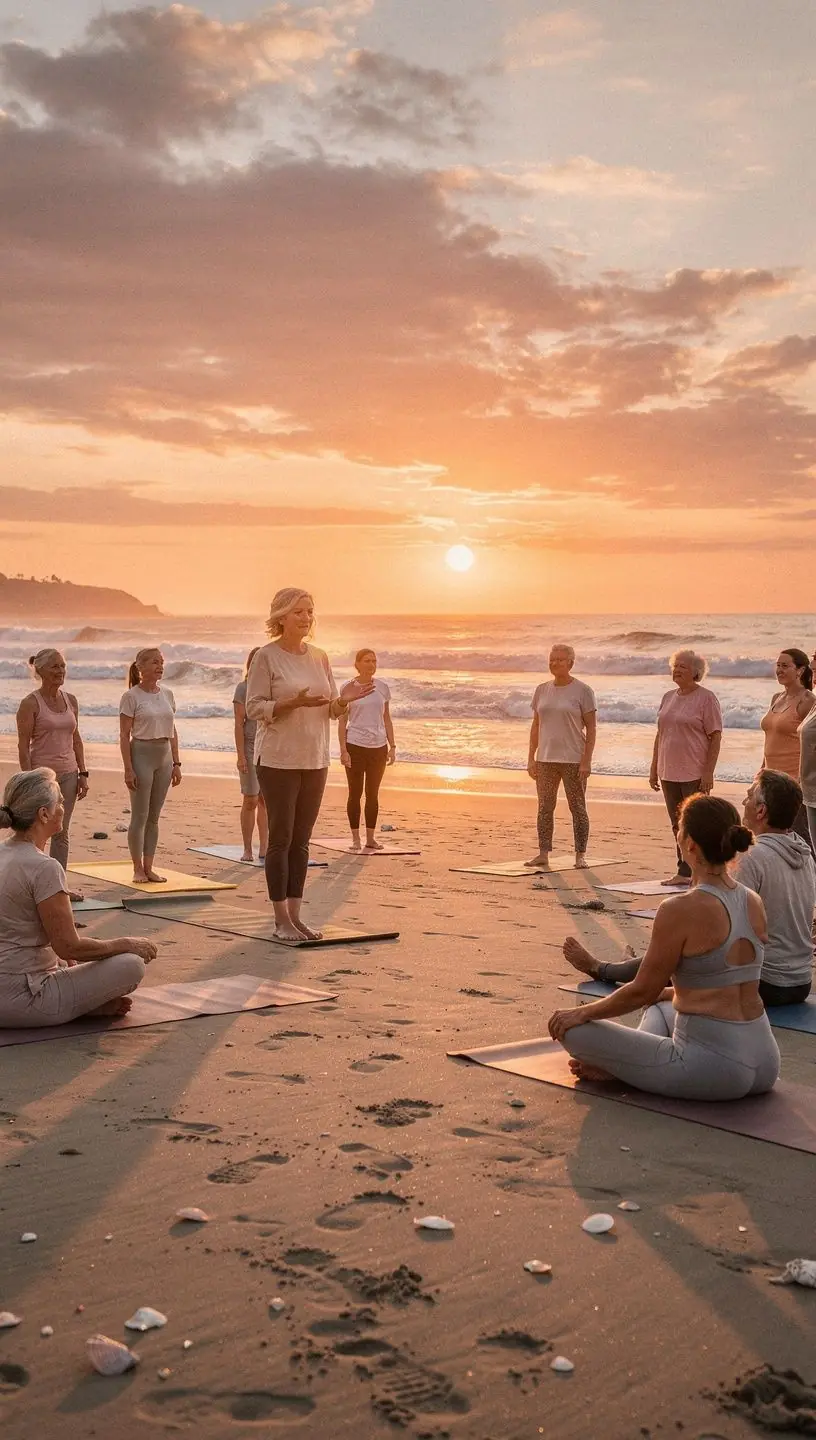
As individuals age, maintaining physical and mental well-being becomes increasingly important. Dance classes offer a unique blend of exercise, social interaction, and creative expression, making them a popular choice for seniors. This article explores the dynamics of dance classes tailored for seniors, highlighting their benefits, methodologies, and realistic expectations.
Understanding the Benefits of Dance for Seniors
Research indicates that engaging in regular physical activity, such as dance, can significantly improve health outcomes for seniors. Studies show that dance classes can enhance physical health by improving balance, flexibility, and cardiovascular fitness. Additionally, social dancing encourages social interaction, which is vital for mental health.
"Dance is a multifaceted activity that can foster both physical and mental health benefits for seniors." - Experts in gerontology
How Dance Classes Work for Seniors
Typically, dance classes for seniors are structured to accommodate varying skill levels, ensuring that participants feel comfortable and engaged. Classes often include:
- Warm-up sessions: To prepare the body and prevent injuries.
- Basic steps and routines: Teaching fundamental movements helps build confidence.
- Cool-down stretches: Important for recovery and flexibility.
The methodology behind these classes often incorporates gentle choreography that focuses on coordination and rhythm while allowing participants to express themselves creatively. Experts recommend encouraging seniors to participate regularly, as this can enhance their experience and foster a sense of community.
Addressing Common Concerns
Many seniors might hesitate to join dance classes due to concerns about their physical limitations or fear of the unknown. It's essential to acknowledge these concerns:
- Physical limitations: Classes are typically designed to accommodate various mobility levels. Instructors often tailor movements to suit individual needs.
- Time commitment: Regular participation is encouraged, but it can be flexible. Many users report that attending classes once or twice a week leads to noticeable improvements.
- Social interaction: Dance classes provide an excellent opportunity to meet new people, but it's important to approach this process gradually. Many participants find that friendships develop naturally over time.
Setting Realistic Expectations
While the benefits of dance classes are considerable, it's important to set realistic expectations. Improvements in strength, flexibility, and social engagement typically appear over a period of 3-6 months of consistent practice. Commitment and willingness to learn are vital for achieving desired results. Moreover, seniors should consult healthcare providers before starting any new physical activity, especially if they have pre-existing conditions.
Conclusion
Dance classes for seniors represent a valuable opportunity to enhance physical health, stimulate mental well-being, and foster social connections. By understanding the dynamics involved in these classes, seniors can make informed decisions about participating. With realistic expectations and a willingness to engage, many seniors can benefit greatly from integrating dance into their social activity plans.