Strategies for Overcoming Social Anxiety Through Dance
Social anxiety can be a significant barrier, especially for those over 45 looking to redesign their lives. Integrating dance into your social activities may be an effective way to overcome these challenges. This article explores how dance can help alleviate social anxiety, providing practical strategies to get started.
Understanding Social Anxiety
Social anxiety is characterized by a fear of social situations where one may be judged or scrutinized. According to the Anxiety and Depression Association of America, around 15 million adults in the U.S. experience social anxiety disorder, with similar rates observed in Portugal. Many individuals report that this anxiety often stems from a fear of negative evaluation or feeling out of place in social settings.

"Research indicates that engaging in social activities can significantly reduce feelings of anxiety, with structured environments like dance classes providing a supportive setting."
Why Dance?
Dance offers a unique blend of physical activity, social interaction, and emotional expression. Experts recommend dance as a therapeutic tool because it immerses individuals in a creative process that encourages connection, reduces stress, and boosts confidence. The principle behind this effectiveness lies in the combination of physical movement and rhythmic coordination, which can lead to the release of endorphins, often referred to as "feel-good" hormones.
Practical Strategies for Getting Started
- Find a Local Dance Class: Many communities have dance clubs that cater to various skill levels. Engaging in a class can provide a structured way to meet new people while learning something enjoyable. Research suggests that participating in group activities can foster a sense of belonging, which may alleviate feelings of isolation.
- Set Realistic Goals: Start by attending a beginner class once a week. Studies show that consistent practice over time can lead to gradual improvements in social comfort. This approach typically requires a commitment of several weeks to see noticeable changes.
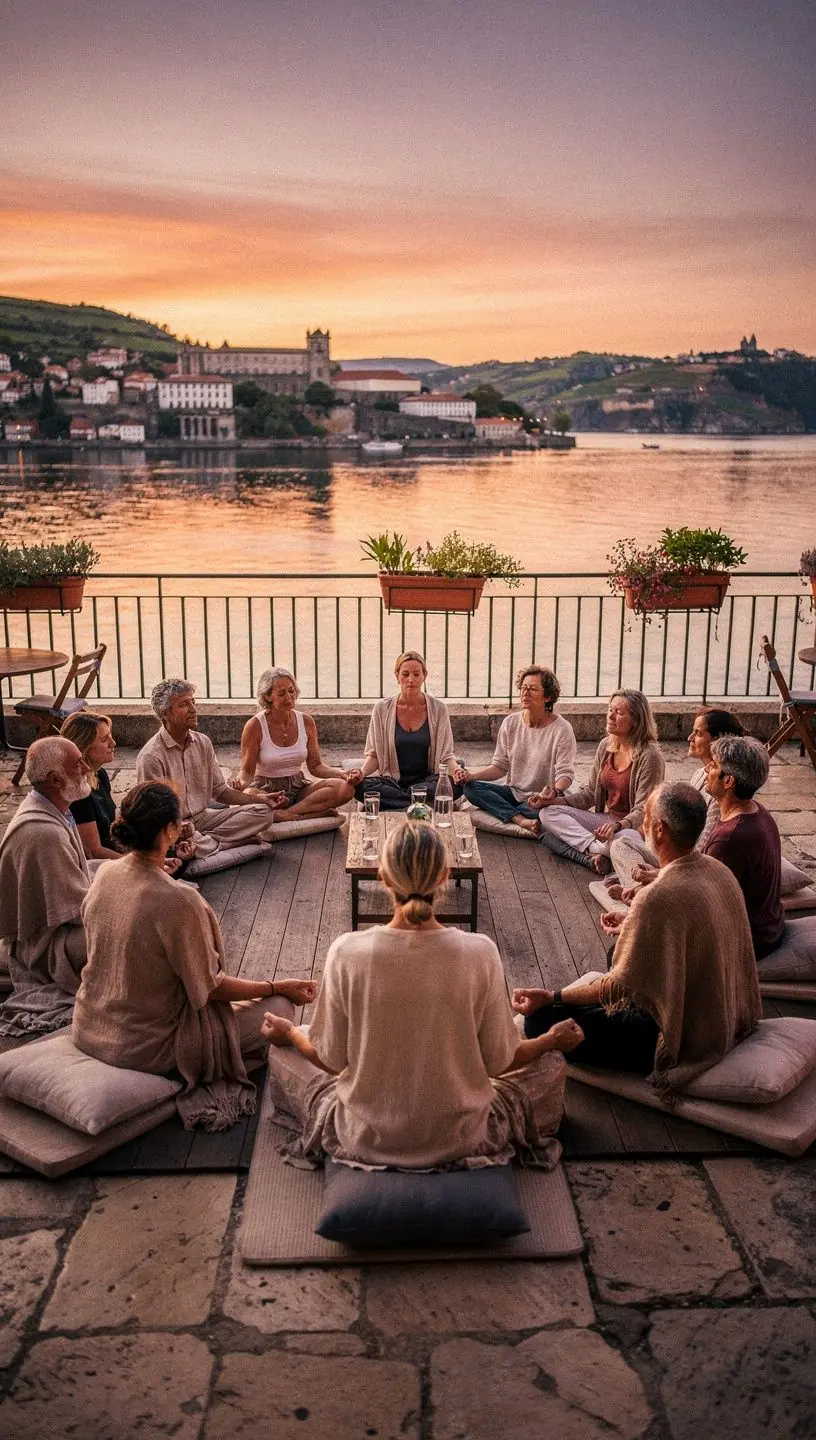
- Practice Mindfulness: Incorporating mindfulness techniques during dance can help you remain present and focused. Techniques such as deep breathing or visualization can aid in managing anxiety before and during social interactions, making the experience more enjoyable.
Overcoming Barriers
It's important to acknowledge that starting any new activity can come with challenges. For example, some individuals may feel hesitant to join a dance class due to fear of judgment or perceived lack of skill. However, many users report that once they engage in the activity, they find the environment to be much more welcoming than anticipated. Experts suggest that facing these fears gradually can lead to more profound changes in self-perception and confidence.
Conclusion
Transforming social anxiety into social confidence through dance is an effective strategy that many individuals over 45 have found beneficial. By understanding the basics of social anxiety, exploring the unique benefits of dance, and implementing practical strategies, you can develop a more fulfilling social fosterholte.org. Remember that the journey may take time, and it often requires ongoing effort and practice. Embrace the process, and you may find joy and connection in unexpected places.